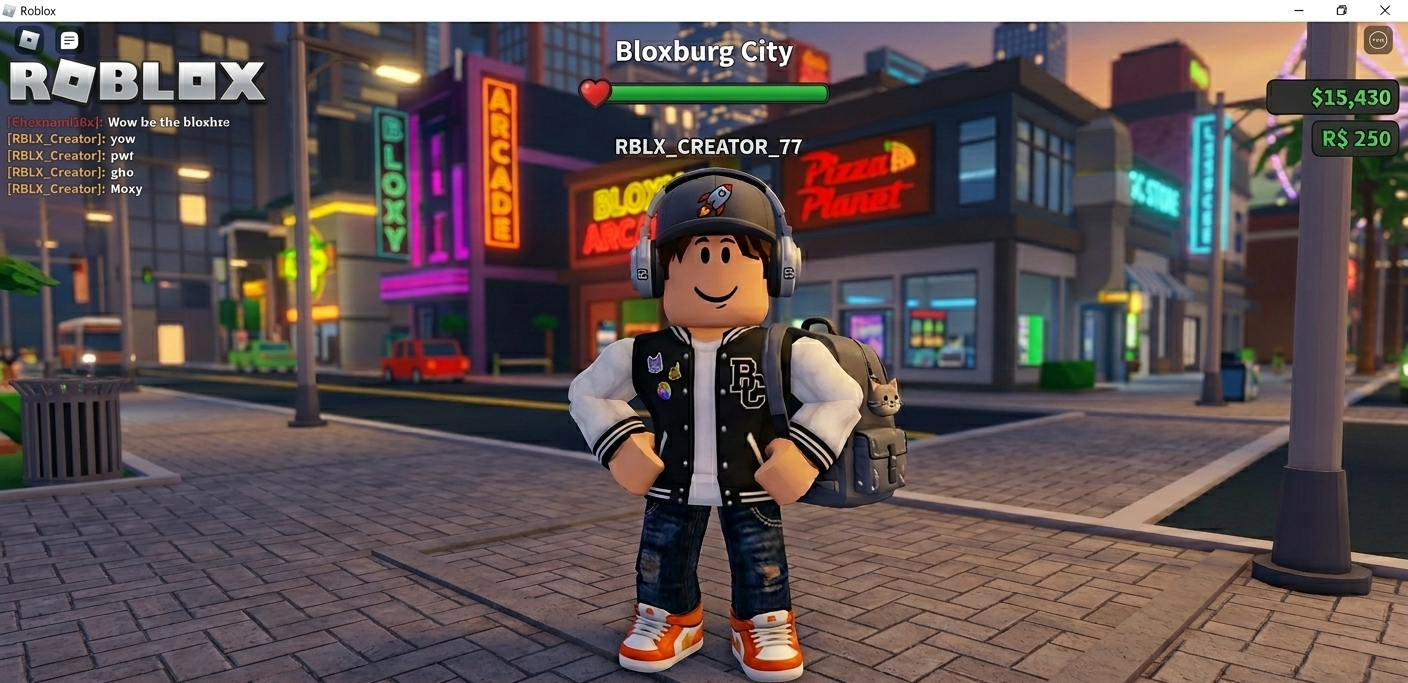
In Roblox, avatar customization is more than a cosmetic feature — it is the foundation of digital identity. With millions of daily active users logging in across genres ranging from roleplay to competitive simulators, the way players present themselves visually has become central to social interaction. An avatar is often the first impression in any experience, acting as both a creative outlet and a personal brand. Over the years, customization has evolved from simple blocky outfits to highly detailed layered clothing systems, dynamic accessories, and expressive animations that reflect individual style.
The evolution of Roblox avatars mirrors broader digital fashion trends. Players are no longer satisfied with basic shirts and hats; they experiment with proportion scaling, animation packs, limited accessories, and curated color palettes. As the platform expands its marketplace and User-Generated Content ecosystem, customization trends shift rapidly. What was popular six months ago may already feel outdated. Understanding these trends provides insight not only into fashion aesthetics but into how digital communities construct identity and status within a virtual economy.
The Rise of Layered Clothing and Proportional Styling
One of the most transformative updates in Roblox customization has been the introduction of layered clothing. Unlike traditional 2D shirts and pants that wrap around the avatar’s body, layered items conform dynamically to different body types. This innovation allows for jackets over hoodies, oversized streetwear fits, and detailed textures that create depth. The result is a more dimensional look that moves naturally with animations. Players now design outfits with silhouette in mind, focusing on volume and flow rather than flat design alone.
Proportional styling has also become a defining trend. Many players experiment with body scaling to achieve specific aesthetics — from compact, minimalist avatars to taller, fashion-forward silhouettes. Combined with layered clothing, scaling adjustments create entirely new visual identities. The shift toward proportion experimentation demonstrates how Roblox has transitioned from simple avatar design to something closer to digital character creation. Players treat avatars less like game tokens and more like stylized personas crafted with intention.
Minimalism vs Maximalism: Competing Aesthetic Movements
Current trends often fall into two broad aesthetic directions: minimalism and maximalism. Minimalist avatars favor clean color schemes, subtle accessories, and balanced proportions. Neutral tones such as black, white, beige, and muted pastels dominate these designs. The appeal lies in understated cohesion. Rather than stacking multiple flashy items, minimalist players rely on shape harmony and color consistency to stand out quietly in crowded servers.
Maximalist styling, on the other hand, embraces bold experimentation. Bright neon accents, oversized accessories, animated items, and layered combinations define this trend. Players adopting this approach often lean into expressive themes — cyberpunk, fantasy royalty, street-pop, or surreal humor. While maximalism can risk visual clutter, successful executions feel dynamic and memorable. The coexistence of these trends highlights the diversity of Roblox’s fashion ecosystem, where subtle elegance and expressive extravagance both thrive.
Popular Avatar Customization Elements Today
Today’s most popular avatar customization elements reflect a blend of realism, creativity, and status-driven expression within Roblox’s evolving fashion ecosystem.
- Layered jackets, hoodies, and oversized streetwear fits
- Realistic hair textures with soft shading
- Limited edition accessories as status symbols
- Custom face expressions replacing default smiles
- Coordinated animation packs matching outfit vibe
Together, these elements show how modern Roblox avatars are no longer random outfits but carefully curated digital identities shaped by trends, personality, and platform culture.
The Influence of Limited Items and Digital Status
Limited items have become central to avatar prestige. Accessories released in restricted quantities often appreciate in value over time, turning them into digital collectibles. Wearing a rare limited hat or accessory communicates long-term engagement and marketplace knowledge. This dynamic has created a fashion economy where style intersects with investment awareness. Players sometimes build entire outfits around a single limited piece, using it as the focal point of their identity.
Beyond rarity, limited items shape trend cycles. When a popular influencer or community figure showcases a specific accessory, demand can surge rapidly. Marketplace activity influences visibility, and visibility influences style replication. This cycle mirrors real-world fashion markets where scarcity drives desirability. Roblox’s customization trends therefore reflect both creative expression and economic participation, blending art with digital commerce.

Emerging Trends in Avatar Personalization
As Roblox continues to expand its creative tools, new personalization trends are constantly reshaping how players experiment with identity and visual storytelling.
- Hyper-coordinated color palettes built around two or three dominant tones
- Soft aesthetic themes inspired by pastel or cozy visuals
- Roleplay-specific outfits tailored to certain game genres
- Real-world fashion emulation including streetwear and luxury looks
- Experimental avatar scaling for unique body proportions
These emerging trends highlight how avatar design on Roblox is becoming more intentional, expressive, and aligned with both digital fashion movements and evolving community culture.
The Role of Community and Social Platforms
Customization trends do not develop in isolation. Social sharing platforms, group communities, and in-game showcases accelerate trend adoption. Players frequently draw inspiration from screenshots, fashion competitions, and curated avatar galleries. Groups dedicated to styling often host themed challenges, encouraging experimentation within defined concepts. These collaborative spaces help refine aesthetics and push creative boundaries.
Influencer culture also contributes to trend visibility. Popular creators who showcase outfit breakdowns or styling tutorials often inspire large waves of imitation. However, trends rarely remain static. Once a look becomes oversaturated, players pivot toward new expressions to maintain individuality. This constant cycle ensures that Roblox customization remains dynamic rather than repetitive. Creativity thrives when players balance inspiration with personal reinterpretation.
Final Thoughts: Digital Fashion as Identity
Avatar customization in Roblox has evolved into a complex intersection of fashion, economics, and self-expression. Layered clothing systems, limited collectibles, and community-driven trends have transformed simple block characters into fully realized digital personas. Players no longer dress avatars randomly; they curate them with intention, aligning aesthetic, animation, and accessories into cohesive identities.
As Roblox continues to expand its marketplace tools and creative systems, customization will likely grow even more sophisticated. Whether leaning toward minimalist refinement or maximalist flair, the core principle remains the same: style communicates presence. In a platform built on creativity and interaction, avatars are not just cosmetic shells — they are statements of individuality within a constantly evolving digital world.