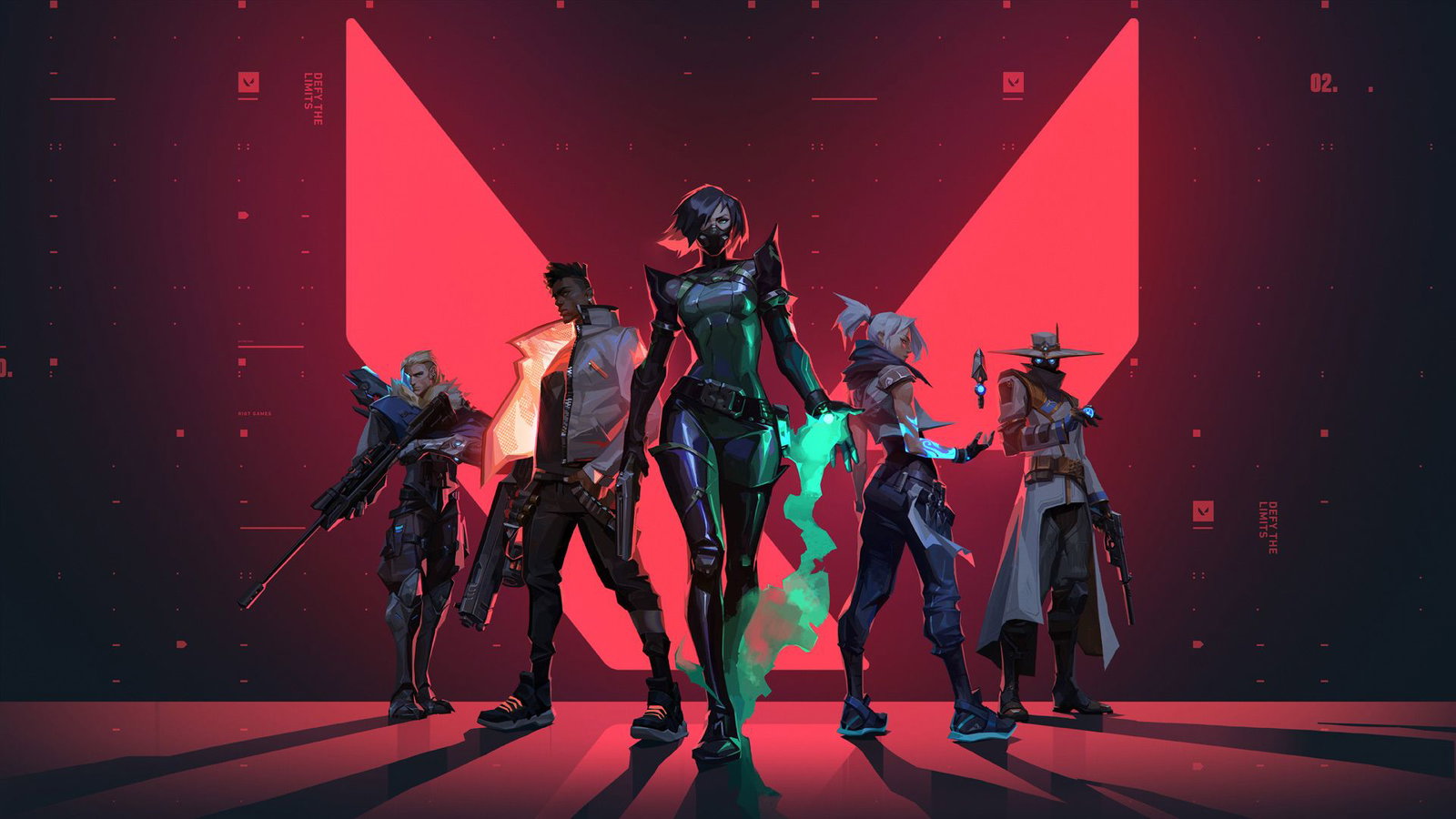
Since its global launch in 2020, Valorant has evolved from a promising tactical shooter into one of the most structured and influential competitive games in the world. Developed by Riot Games, the studio behind League of Legends, Valorant was designed with a clear vision: combine the precision gunplay of classic tactical shooters with unique character abilities that deepen strategy without compromising competitive integrity. That formula continues to define its success, making Valorant a pillar of modern esports and a benchmark for live-service FPS design.
The Tactical Core: Where Aim Meets Ability
At its foundation, Valorant is a 5v5 objective-based shooter. One team attacks, attempting to plant the Spike (bomb), while the other defends. Matches are played in rounds, and victory requires both mechanical accuracy and layered strategic planning.
Unlike traditional tactical shooters, however, Valorant introduces agents — playable characters with distinct abilities categorized into roles such as Duelists, Controllers, Initiators, and Sentinels. These roles structure team composition and encourage coordinated play. Smokes block sightlines, flashes disrupt defenses, recon tools gather information, and utility traps control flanks. Every ability has economic cost and tactical timing implications, meaning success depends on disciplined resource management as much as aim.
Crucially, abilities complement gunplay rather than replace it. Headshot accuracy, crosshair placement, recoil control, and map positioning remain decisive factors. This careful balance preserves competitive fairness while adding creative depth. That equilibrium continues to be Valorant’s greatest strength.
Evolving Map Design and Strategic Diversity
Valorant’s maps are deliberately crafted to encourage layered engagements rather than chaotic firefights. Choke points, vertical sightlines, teleporters, rotating doors, and destructible elements create dynamic tactical puzzles each round.
Maps like Haven (with three bomb sites) challenge defensive distribution, while others emphasize tight corridors or wide-open mid control. Over time, Riot has refined map pools through rotation systems to maintain competitive freshness. This approach prevents stagnation while allowing professional teams to master strategies.
Map updates focus on clarity and competitive readability. Riot frequently tweaks geometry, sightlines, and cover placement based on player data and professional feedback. This iterative design philosophy demonstrates Riot’s commitment to maintaining competitive balance rather than chasing novelty alone.
The Competitive Ecosystem: A Structured Esports Machine
Valorant’s esports framework stands as one of the most organized in modern gaming. The Valorant Champions Tour (VCT) operates through international leagues, regional competitions, and global Masters events culminating in the annual Champions tournament.
Unlike open circuit esports ecosystems, Valorant employs a partnership model where selected teams compete in regional leagues across the Americas, EMEA, and Pacific regions. This system ensures stability, long-term investment, and consistent broadcast quality. The VCT continues to attract millions of viewers worldwide, with major tournaments drawing peak concurrent audiences comparable to established esports giants.
Valorant’s spectator-friendly design contributes significantly to its success. Clean UI overlays, distinct agent silhouettes, and color-coded utility effects enhance broadcast clarity. For viewers, rounds are easy to follow; for analysts, strategic depth provides endless discussion.
The In-Game Economy and Strategic Layering
Each round in Valorant is influenced by a structured economic system. Teams earn credits based on round outcomes, objective success, and elimination counts. These credits fund weapon purchases, shields, and abilities.
Economic decisions create layered strategic arcs within a match. Teams may choose to “eco” (save money) to prepare for a full buy round. Weapon choices shape tempo: rifles dominate standard play, while snipers alter sightline control, and SMGs excel in close engagements.
This economy system ensures that matches unfold as strategic narratives rather than isolated rounds. Comebacks remain possible through disciplined saving and coordinated execution. This structured pacing continues to differentiate Valorant from more chaotic shooters.
Technical Infrastructure and Competitive Integrity
One of Riot’s early commitments was building Valorant with competitive integrity at its core. The game launched with Vanguard, a kernel-level anti-cheat system designed to combat hacking aggressively. While controversial initially, Vanguard significantly reduced cheat prevalence compared to many online shooters.
Server tick rate consistency and low-latency matchmaking infrastructure further strengthen competitive reliability. Riot also invests heavily in replay systems, performance optimization, and client stability to support both professional competition and content creation.
Valorant benefits from continuous engine refinement and system updates that ensure stable performance across a wide range of hardware. This accessibility expands the player base without sacrificing competitive quality.
Cosmetic Monetization Without Competitive Advantage
Valorant operates under a free-to-play model supported entirely by cosmetic purchases. Weapon skins, melee designs, sprays, and player cards offer visual personalization without gameplay benefits.
Skin bundles often feature elaborate animations, sound effects, and thematic storytelling. Some collections transform weapon reload animations or add finisher sequences upon elimination. This cosmetic depth enhances player identity while preserving fairness.
The battle pass system provides seasonal progression incentives, encouraging consistent engagement. Importantly, Riot avoids pay-to-win mechanics, reinforcing trust within the competitive community.
Community and Content Creation Culture
Valorant’s success extends beyond ranked matchmaking and esports. The streaming ecosystem remains vibrant, with professional players, coaches, and content creators generating educational breakdowns, highlight reels, and strategy guides.
Agent reveal trailers and cinematic storytelling expand the game’s lore. Riot periodically releases animated shorts that deepen character backstories, strengthening emotional connection between players and agents.
Community tournaments, collegiate leagues, and grassroots competitions create developmental pathways for aspiring professionals. This layered ecosystem sustains long-term interest and talent cultivation.
Adaptation in a Competitive FPS Market
The tactical FPS genre is crowded, yet Valorant maintains relevance by emphasizing clarity, structure, and strategic innovation. While other shooters experiment with scale and spectacle, Valorant focuses on refinement.
Balance patches occur regularly but cautiously. Riot’s measured approach avoids drastic meta upheaval while gradually introducing new agents to refresh strategic diversity. This careful pacing maintains stability without stagnation.
Zero Build-style simplifications are unnecessary in Valorant because its design clarity already lowers entry barriers compared to older tactical shooters. New players can grasp basic mechanics quickly, while mastery remains demanding.
Why Valorant Still Matters
Nearly six years after release, Valorant remains a central force in competitive gaming because it respects its core identity. It does not chase trends blindly. Instead, it strengthens foundational systems: clean gunplay, thoughtful agent design, structured esports, and transparent monetization.
Its global esports ecosystem continues to expand viewership. Its tactical depth fuels strategic discussion. Its cosmetic economy sustains financial health without compromising fairness.
Valorant stands not merely as a successful shooter but as a blueprint for sustainable competitive game design. It demonstrates that clarity, balance, and disciplined innovation can outlast fleeting trends.
For players climbing ranked ladders, professionals competing on the world stage, or fans watching championship broadcasts, Valorant remains a precise and calculated battlefield — one where every round tells a story of preparation, coordination, and skill.