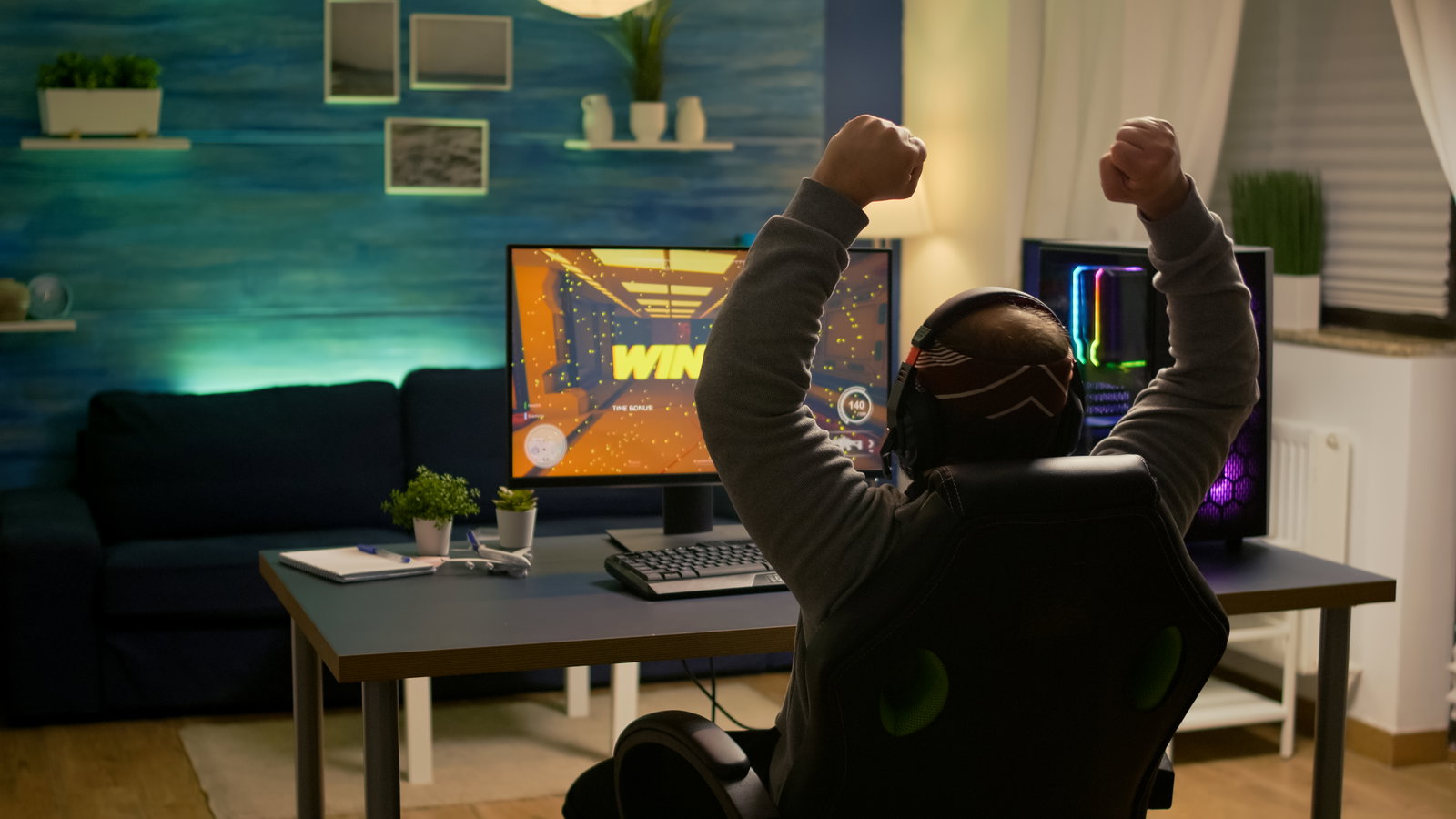
Have you ever wondered why some players stick with the same game for years while others jump from one title to another every few weeks? It’s not just about graphics, hype, or even constant updates. There’s something deeper going on—something that keeps pulling players back, even after hundreds or thousands of hours. Let’s explore what really makes a game feel impossible to leave.
It Starts With Familiarity and Comfort
Think about the first time you truly got comfortable in a game. You knew the controls, understood the mechanics, and didn’t have to think twice before making decisions. That feeling of familiarity is powerful.
When players return to the same game over time, they’re not just playing—they’re revisiting a space that feels known and predictable. In a world where things constantly change, games that offer consistency can feel surprisingly comforting.
- You already know how things work
- You don’t need to relearn mechanics
- You can jump in anytime without stress
This comfort reduces friction. Instead of starting from zero, players pick up right where they left off. That alone is enough to keep many coming back.
Progress That Feels Personal
Another big reason players stick around is progress. But it’s not just about leveling up or unlocking rewards—it’s about personal investment.
When someone spends 50, 100, or even 500 hours in a game, that time becomes meaningful. Every achievement, item, or milestone feels like a part of their journey.
- A character they’ve built over time
- Skills they’ve slowly improved
- Items or upgrades they worked hard for
Walking away from that progress doesn’t feel easy. It’s not just a game anymore—it’s something they’ve built.
And the more time they invest, the stronger that connection becomes.
The “Just One More Game” Loop
Many games are designed in a way that makes stopping feel… unfinished. You tell yourself, “just one more match,” or “just one more mission,” and suddenly another hour has passed.
This isn’t accidental. It’s tied to how games structure rewards and goals.
- Short sessions with clear outcomes
- Frequent small rewards
- A constant sense of “almost there”
Players keep coming back because the game rarely feels complete. There’s always something left to do—another level, another upgrade, another goal.
That ongoing loop makes it easy to return, even after long breaks.
Social Connections That Go Beyond the Game
For many players, the game itself is only part of the reason they stay. The real attachment often comes from the people they meet along the way.
Online games today are more than just gameplay—they’re social spaces.
- Friends you regularly play with
- Groups or communities you’re part of
- Shared experiences and inside jokes
Logging in doesn’t just mean playing—it means connecting.
Over time, these relationships become a strong reason to return. Even if the game slows down or changes, the social aspect keeps players engaged.
A Sense of Identity Inside the Game
Have you noticed how some players strongly identify with a game? They don’t just play it—they feel like it represents them.
That could be through:
- Their character or avatar
- Their playstyle or skill level
- Their role in a community or group
When a game becomes part of someone’s identity, leaving it feels like losing a small piece of themselves.
It’s similar to how people feel about hobbies, sports teams, or creative work. The game becomes more than entertainment—it becomes a reflection of who they are.
Regular Updates That Keep Things Fresh
While familiarity matters, games that last for years also know how to evolve. Regular updates play a huge role in keeping players interested.
But it’s not just about adding more content—it’s about refreshing the experience.
- New features or mechanics
- Limited-time events
- Small improvements that change gameplay
Even minor updates can bring players back. Curiosity plays a big role here—players want to see what’s new, what’s changed, and how it affects their experience.
Interestingly, it doesn’t always take massive updates. Sometimes a small tweak is enough to make the game feel new again.
The Feeling of Mastery
Over time, players don’t just play a game—they get good at it.
That sense of improvement is deeply satisfying.
- Learning advanced strategies
- Getting faster or more accurate
- Understanding mechanics better than before
Reaching a level where you feel confident and skilled creates a strong reason to stay. Starting a new game would mean going back to being a beginner—and not everyone enjoys that.
So instead, players stick with what they know and continue improving.
Nostalgia and Emotional Attachment
For long-term players, games often carry memories.
It could be:
- The first time they played
- Moments shared with friends
- Big achievements or milestones
These memories create emotional attachment. Even if someone stops playing for a while, they often return just to relive that feeling.
Nostalgia is a powerful pull. It turns a simple game into something meaningful.
Low Pressure, High Freedom
Some of the most replayed games don’t force players into strict routines. Instead, they offer flexibility.
- Play for 10 minutes or 2 hours
- Choose your own goals
- No constant pressure to keep up
This freedom makes it easier to return. Players don’t feel punished for taking breaks, which means they’re more likely to come back later.
Games that demand too much time or commitment often lose players. But games that respect a player’s pace tend to keep them longer.
It Simply Feels Good to Play
At the core of everything, one reason stands above the rest: the game feels good.
- Smooth controls
- Satisfying feedback
- Enjoyable gameplay loops
Even after hundreds of hours, if the experience still feels enjoyable, players will return.
Sometimes, it’s not about logic or strategy. It’s just about how the game makes you feel when you play it.
Final Thoughts
So why do some players keep coming back to the same game for years? It’s not just one reason—it’s a combination of comfort, progress, connection, and emotion. The game becomes familiar, rewarding, and meaningful in ways that go beyond simple entertainment.
In the end, the games that last aren’t always the biggest or the newest. They’re the ones that create a space players want to return to—again and again, without feeling forced.